
Discovering Holistic Health Alternatives: A Guide to Integrative Wellness
The journey toward health is often paved with good intentions but cluttered with conflicting advice. For many of us, there comes a point where "just getting by" no longer feels like enough. You might feel a lingering sense that your vitality is muted. Perhaps you are navigating a concern that conventional approaches haven’t fully addressed.
In this space—the space between merely surviving and truly thriving—holistic health alternatives offer a bridge. Choosing a holistic path is not about rejecting modern science. Rather, it is about expanding our view of what it means to be well. It is a commitment to stewardship. It is taking responsibility for the care of our mind, body, and spirit as a unified whole.
This guide explores the diverse landscape of supportive therapies. It provides you with a clear, honest, and structured framework for your personal journey toward ongoing wellbeing. We will look at how practices like Shiatsu and Reiki act not as magic cures, but as essential maintenance for a life well-lived.
Key Takeaways
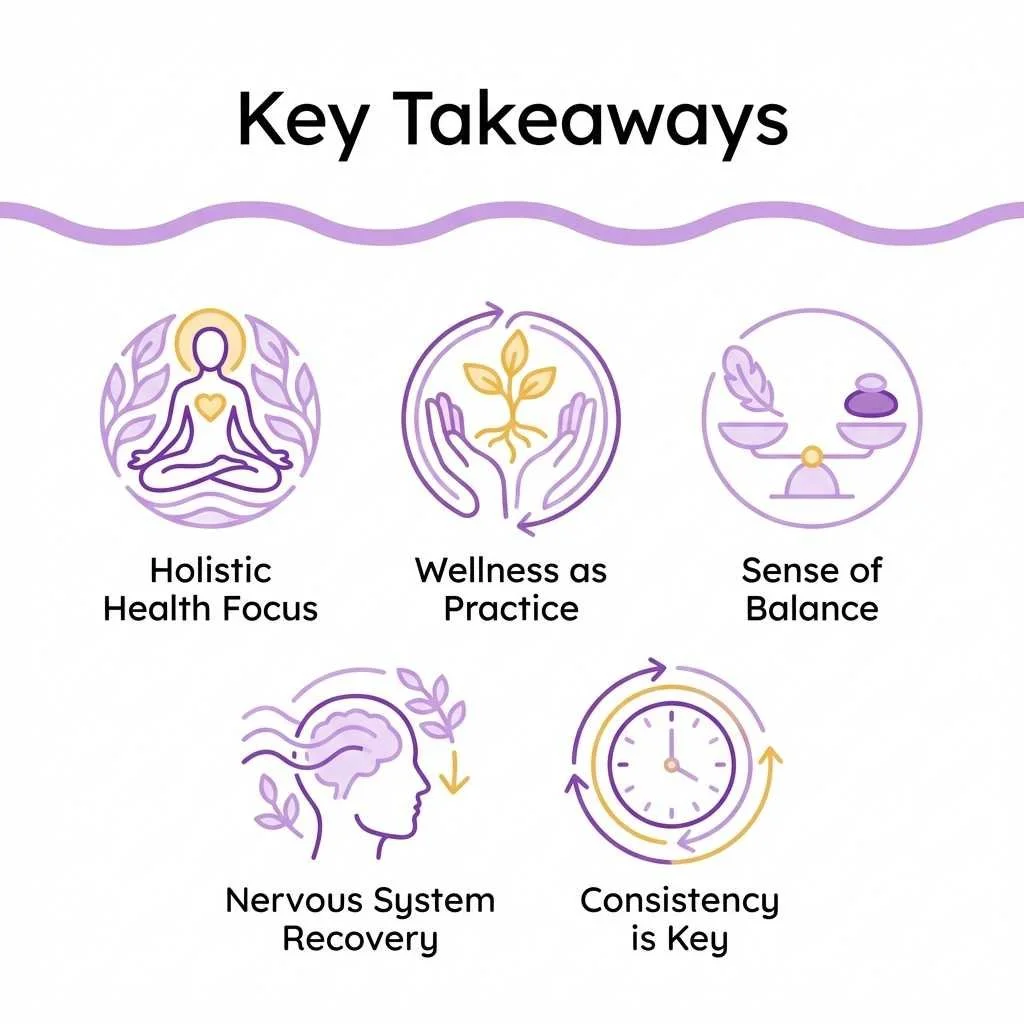
Holistic health alternatives focus on the whole person, seeking to support the body’s natural balance rather than just suppressing isolated symptoms.
Integrative wellness combines conventional care with supportive practices to create a more complete picture of health.
Wellness is a practice, much like keeping a garden. It requires consistent, small actions over time to see a change over time.
Finding a sense of balance involves both physical awareness and mental pauses, allowing the body to settle and rest.
The Nervous System is central to recovery; shifting from "fight or flight" to "rest and digest" is the primary goal of many manual therapies.
Workplace Wellbeing is crucial; holistic support extends beyond the individual to business teams and corporate environments.
Consistency beats intensity; regular "maintenance" sessions are more effective than waiting for a breakdown.
Defining Holistic Health Alternatives & Their Principles
To understand holistic health alternatives, we must first look at what the word "holistic" actually means. It comes from the idea of the "whole." It treats you as a complex, interconnected system.
In this view, a physical ailment is rarely just a physical event. It is often linked to our emotional state, our environment, and our daily habits. It is like a weather warning. You notice the wind picking up before the storm hits. Holistic alternative health is about listening to those early signals.
It is about understanding that your body is always trying to tell you something. We just need to create the quiet space required to hear it. This is not about mysticism. It is about biology. When we ignore stress for too long, the body shouts.
The Person, Not the Symptom
Unlike some approaches that categorise health by specific parts, holistic wellness alternatives operate on a few core ideas. The most important is that we look at the person, not just the problem.
We consider your lifestyle, your stress levels, and your history. We look at how you move and how you rest. It is a shift from being a passive recipient of care to being an active participant in your own life.
This approach requires diligence. It is not a quick fix. Instead, it is a steady, honest labour. It is about making wise choices every day that support your long-term vitality.
The Role of Holistic Health Options in Modern Life
Modern life is fast. We are often disconnected from our physical selves, living entirely in our heads. This disconnection leads to a state of chronic low-level stress.
Statistics from health organisations consistently show rising levels of work-related stress and anxiety. For example, recent data suggests that nearly half of all work-related ill health cases are due to stress, depression, or anxiety. This is where holistic health options become vital.
They act as a counter-balance. They provide the "off switch" that many of us have forgotten how to use. Conventional medicine is incredible for acute trauma and infection. However, for chronic fatigue, tension, and unease, we often need a broader approach.
The "Car Service" Analogy
Think of your body like a car. You wouldn't drive a car for years without servicing it, ignoring the warning lights until the engine smokes. Yet, we do this to ourselves.
We wait for a breakdown before we seek help. Holistic alternative therapies are the regular service. They check the alignment. They top up the oil. They ensure the system is running smoothly so you can keep moving forward safely.
Exploring Holistic Alternative Therapies: Body and Energy
When we speak of holistic alternative therapies, we are referring to a vast array of traditions. Some are rooted in ancient wisdom, while others are modern developments based on our understanding of the nervous system.
We define these not by their exoticism, but by their utility. Do they help you rest? Do they help you feel your feet on the ground?
Body-Based Options: Shiatsu
One of the most grounded forms of support is Shiatsu. If you have been looking for Japanese Massage in London, you are likely seeking something that addresses deep tension without aggression.
Originating in Japan, Shiatsu uses comfortable pressure on specific parts of the body. It is often done on a padded mat on the floor. A practitioner uses their thumbs, palms, and sometimes elbows to apply pressure.
This isn't about "fixing" a muscle. It is about helping your nervous system move from a state of stress to a state of rest. When the body settles, it can begin its own natural process of finding a sense of balance.
It is like tidying a cluttered room. Once the clutter is moved, you can move around more freely. Shiatsu respects the body's limits. We do not force release; we invite it.
Energy Awareness: Reiki
Alternative holistic therapy also includes gentler, non-invasive forms of support like Reiki. Reiki is a quiet practice that focuses on relaxation and finding a sense of harmony.
If you are curious about Reiki in Croydon, know that it is a practice of stillness. A practitioner lightly places their hands on or just above you. There is no manipulation of the tissue.
It is a very still, very calm experience. For many, it provides a much-needed mental pause. It is important to be honest about what Reiki is. It is a supportive tool.
It creates a space where you can feel seen and less rushed. This quietness can be a powerful part of your ongoing wellbeing. It allows the "noise" of the day to fade, leaving you with a clearer sense of self.
The Synergy of Combined Treatments
Sometimes, one approach is not enough. The body holds tension that is both physical and energetic. In these moments, combining modalities can be profound.
We offer Shiatsu Massage and Reiki combined in Croydon because they complement each other perfectly. Shiatsu addresses the structural tightness—the knots in the shoulders, the tightness in the back.
Reiki addresses the nervous flutter—the racing mind, the emotional fatigue. Together, they offer a comprehensive reset. It is a full "system reboot" that acknowledges every layer of your experience.
Beauty as a Reflection of Health
Holistic health is not just about the internal; it is also about how we present ourselves to the world. Our face often carries the weight of our worries. Tight jaws and furrowed brows are physical manifestations of stress.
This is why we offer the Japanese facial in London. This is not merely a cosmetic indulgence. It is a health treatment for the face.
By working on the meridian points of the face and neck, we release held tension. This encourages better circulation and lymphatic drainage. The result is not just glowing skin, but a deeply relaxed nervous system.
When your face relaxes, your brain receives a signal that it is safe to rest. It is a beautiful example of how outer care reflects inner stewardship.
Holistic Health in the Workplace
We spend a significant portion of our lives at work. It is often the primary source of our stress. Therefore, bringing holistic wellness alternatives into the workplace is a logical step.
Forward-thinking companies are beginning to understand that a burnt-out team is not a productive team. We work with business teams to provide on-site support.
This might look like seated Shiatsu to address "desk posture" or workshops on self-care. It isn't just a perk. It is a strategy for sustainability.
When a team feels supported, morale shifts. The "weather" in the office changes from stormy to clear. Investing in the physical and mental ease of staff is an investment in the honesty and longevity of the business itself.
Finding Your Personalised Path in Holistic Wellness
No two people are the same. Your path to feeling well will be as unique as you are. It is like a garden path. You may need to clear some leaves away before the way forward becomes clear.
To start your journey with holistic health alternatives, begin with observation. Notice when you feel tired. Notice where you hold tension. This is the first step in the "slow conversation" with yourself.
You do not need to be an expert to know when you feel off. You just need to be honest. If you are looking for a holistic practitioner in Croydon, look for someone who listens more than they speak.
Look for a practitioner who respects your pace. In our practice, we believe that you are the ultimate authority on your body. We are simply the guides.
Practical Steps for Your Path
Start Small: You don't need to change everything at once. Consistency is more important than intensity.
Schedule Rest: treat your downtime with the same respect you treat your work meetings.
Listen to the Body: If you are tired, rest. If you are stiff, stretch. It sounds simple, but it is a revolutionary act in a busy world.
Choose One Thing: This week, choose one small action. It could be a twenty-minute walk, or it could be booking a session to simply sit in silence.
Be Patient: You didn't get this tired overnight. It takes time to rediscover what it feels like to be rested and balanced.
Common Questions About Holistic Health Alternatives
What should I expect from a session? Most holistic wellness alternatives begin with a quiet conversation. The practitioner will ask how you are feeling and what you hope to gain. We create a safe container for you. The session itself is usually very calm and respectful. You remain fully clothed for Shiatsu and Reiki.
Are these therapies safe? When practiced by qualified people, these methods are generally very safe. We focus on non-invasive techniques. However, they are not a replacement for medical advice. Always speak with your doctor if you have specific health concerns, especially regarding acute conditions.
How many sessions will I need? There is no set number. Some people find a single session helps them feel more settled. Others choose to have regular sessions as part of their ongoing wellbeing routine. Think of it like that monthly "service" for your body to keep things running smooth.
Do I have to believe in anything for it to work? No. These practices are focused on physical sensation and the nervous system. You don't need to hold any specific beliefs or subscribe to a dogma. You only need to be open to the experience of resting and allowing your body to settle.
Can I combine this with my doctor's advice? Absolutely. We strongly encourage integrative wellness. Holistic care works best when it supports conventional medicine. It fills the gaps, managing stress and promoting recovery while your medical team manages specific pathologies.
An Invitation to Pause
The world will always be in a rush. You do not have to be. If you feel ready for a pause, we are here to support you. We offer a safe, quiet space in Croydon where you can explore these holistic health alternatives at your own pace.
We don't promise miracles, but we do promise a steady companion on your journey. Whether you are interested in the grounding pressure of Shiatsu or the quiet harmony of Reiki, we can help you start that slow conversation with your body.
If you feel like your system needs a moment to settle, you can explore our resources or visit our Shiatsu Blog for more insights on maintaining your balance.
Take a deep breath. Your path to ongoing wellbeing is a long one, but you only ever need to take the next step. We are here when you are ready.
Sources
Health and Safety Executive (HSE). "Work-related stress, anxiety or depression statistics in Great Britain".
National Center for Complementary and Integrative Health (NCCIH). "Complementary, Alternative, or Integrative Health: What’s In a Name?".
Global Wellness Institute. "The Global Wellness Economy: Country Rankings".
About the Author
This article was brought to you by Norma Powell, a dedicated Shiatsu practitioner at Norma Shiatsu Croydon. With a warm and steady approach, Norma provides nurturing Shiatsu treatments designed to ease physical tension and promote overall relaxation. Her practice is rooted in empathy and a genuine commitment to helping people feel safe and comfortable in their own bodies, focusing on the tangible, restorative benefits of touch-based therapy.
Connect with Norma Powell on LinkedIn
