
Holistic Health Coach Certification Cost: Your Complete Program Guide
Many people find themselves at a point in life where they feel a quiet pull toward helping others. Perhaps you have navigated your own path back to wellness, or you simply sense that the modern way of living leaves people feeling out of balance. You might be considering a new career, one that respects the whole person—mind, body, and spirit. As you look into this, the question of the holistic health coach certification cost is likely one of the first things you encounter.
It is a significant step, and it is natural to want to understand what you are investing in. This guide is here to walk beside you as you look at the landscape of professional training, without any rush or pressure. We will explore the financial commitments, the hidden expenses, and the value of deep, supported learning.
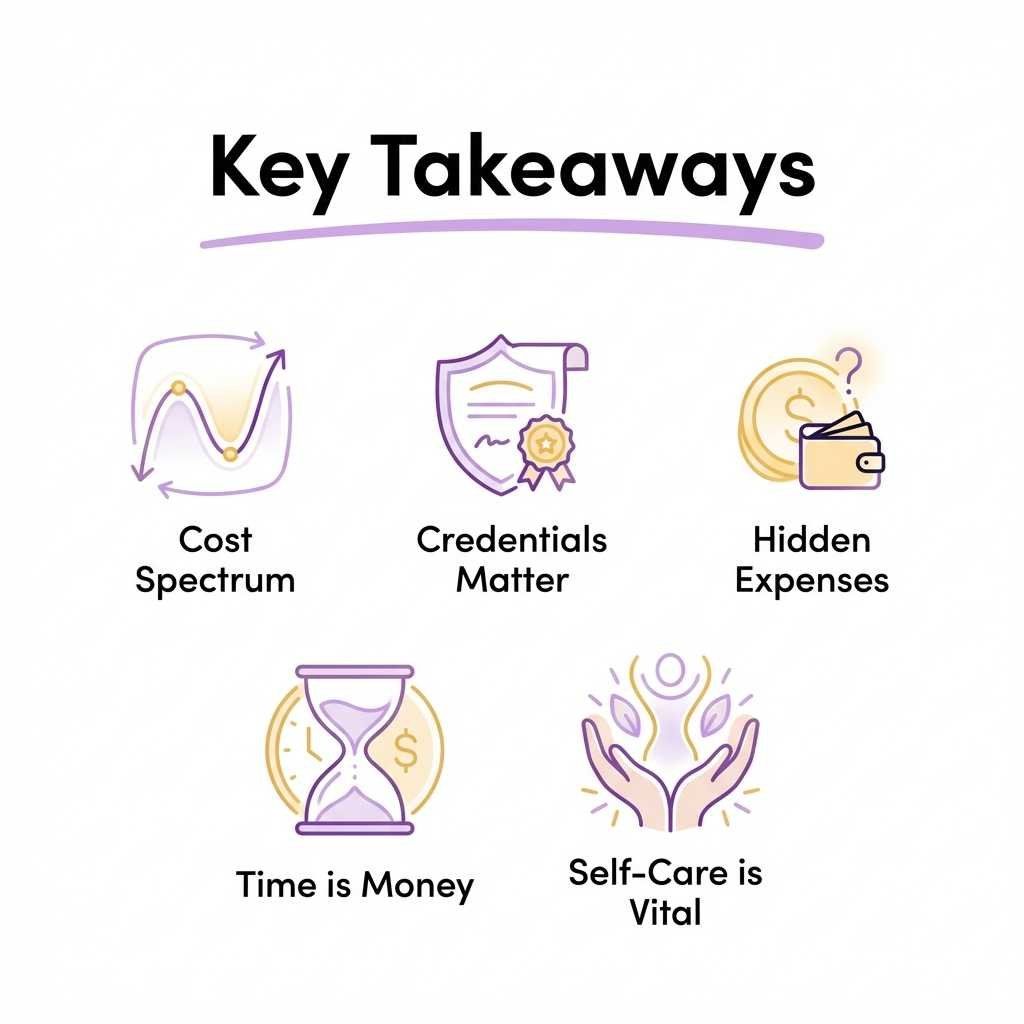
Key Takeaways
Cost Spectrum: Most reputable programmes range from £1,000 to £6,000, depending on the depth of study.
Credentials Matter: Accreditation from bodies like the UKHCA or NBHWC often indicates a higher quality of education and ensures you can get insurance.
Hidden Expenses: Plan for ongoing costs like liability insurance, website hosting, and annual association fees.
Time is Money: Lower-cost courses often require more self-study, while higher-cost programmes provide mentorship and structure.
Self-Care is Vital: The study process can be mentally tiring. Regular bodywork, like Shiatsu, helps maintain your own balance during intense learning.
A Grounded Look at Training Costs
When you start searching for a programme, the variety of prices can feel like a cluttered room. Some courses are very inexpensive, while others cost as much as a small car. It helps to think of this investment like regular maintenance for a vehicle. You aren't just buying a piece of paper. You are paying for the structure, the scientific research, and the mentorship that will keep your practice running smoothly for years.
To help you sort through this, we can categorize training into three distinct tiers. This is not about good or bad. It is about matching the program to your specific needs.
1. The Foundation Level (£500 – £1,200)
These are often self-paced, online courses. They are useful if you want to add a specific skill to your life, like understanding basic nutrition or habit formation.
What you get:
Video modules you can watch anytime.
Digital textbooks and PDFs.
Automated quizzes.
What is often missing:
Live feedback from a mentor.
Practice coaching sessions with peers.
Eligibility for board certification.
If you intend to work professionally as a holistic practitioner in Croydon or elsewhere in the UK, this path may not reach the threshold for professional insurance. It is like buying a map but having no guide to walk with you.
2. The Professional Standard (£1,500 – £4,000)
Most well-known schools fall into this bracket. These programmes usually last between six months and a year. They offer a more breathable pace, often providing a blend of pre-recorded lectures and live sessions.
This allows you to integrate the learning into your daily life slowly. It is much like clearing a garden path one step at a time. Examples in this tier often include schools like the Institute for Integrative Nutrition (IIN) or the Health Coach Institute.
What you get:
Live calls with faculty.
Peer coaching circles.
Business starter kits.
A path to joining professional associations.
This level is usually sufficient for those wanting to start a private practice. It strikes a balance between affordability and depth.
3. The Clinical or University Path (£4,500 – £8,000+)
These programmes are for those who wish to work in clinical settings or alongside medical professionals. They involve deep scientific study and a high level of oversight. While the cost is higher, it reflects a different level of professional standing.
Courses from universities or institutions like the College of Naturopathic Medicine (CNM) often sit here. They require physical attendance (or rigid virtual attendance) and extensive case studies.
The True Holistic Health Coach Cost Breakdown
When planning your budget, it is easy to look only at the tuition fee. However, a truthful look at the holistic health coach cost requires us to see the whole picture. Just as a house needs more than just walls to be a home, your practice needs infrastructure.
Setup and Technology Fees
Once you are certified, you will need a way to speak to the world.
Website Hosting: £10 - £30 per month. You do not need a fancy site to start, but you need a presence.
Scheduling Software: Tools like Calendly or Acuity often cost around £12 per month.
Client Management Platforms: Secure systems to keep client notes private (essential for GDPR) can cost £20 - £50 per month.
Insurance and Legal Protections
We cannot skip this part. Honesty in practice means protecting your client and yourself.
Professional Indemnity Insurance: In the UK, this is roughly £80 - £150 per year. It covers you if a client claims your advice caused them harm.
ICO Registration: If you hold digital notes on clients, you must register with the Information Commissioner's Office. This is a legal duty and costs roughly £40 per year.
Professional Associations
Joining a body like the UK Health Coaches Association (UKHCA) gives you credibility. It tells your clients that you answer to a standard higher than yourself. Membership fees usually range from £80 to £150 annually.
Understanding the Holistic Health Practitioner Certification Cost
It is important to distinguish between a "coach" and a "practitioner." Sometimes these words are swapped, but they can imply different scopes of practice.
The holistic health practitioner certification cost can sometimes be higher because it implies a more hands-on or diagnostic role. For example, a coach supports habit change. A practitioner might run functional lab tests or offer specific dietary protocols.
If your goal is to be a practitioner who uses functional medicine labs:
Expect to pay: An additional £2,000 - £4,000 for advanced lab training.
Lab Fees: You may need to pay setup fees to access companies like Genova or request panels through a GP referral system.
This distinction is vital. If you simply want to listen and guide, the coaching cost is lower. If you want to analyze and prescribe, the education must be more rigorous, and the cost reflects that responsibility.
What Curricula Should You Expect?
When reviewing the price tag, look at the syllabus. You are paying for a structured path to wellbeing, both for yourself and your future clients. A robust programme covers three main pillars.
1. The Science of the Body
Even if you are not a doctor, you need to understand how the body works. Good courses cover:
Bio-individuality: The idea that one person's food is another person's poison.
Gut Health: The connection between digestion and mood.
Hormonal Balance: How stress impacts our physical rhythms.
2. The Psychology of Change
Knowing what to eat is easy. Doing it is hard. This is where coaching happens. You are paying to learn:
Active Listening: How to hear what is not being said.
Motivational Interviewing: A technique to help clients find their own reasons for change.
Holding Space: The skill of sitting with discomfort without trying to "fix" it immediately.
3. Business Stewardship
Many new coaches struggle because they fear selling. A grounded programme teaches business as a form of service.
Ethical Marketing: Sharing your work without being pushy.
Scope of Practice: Knowing clearly when to refer a client to a doctor or therapist.
The Role of Accreditation
In our practice at Norma Shiatsu Croydon, we believe that "a good name is more desirable than great riches." Accreditation is how a school protects its name and yours.
Sadly, the coaching industry is not fully regulated. Anyone can print a certificate. This is why we look to voluntary regulators.
UKHCA (UK Health Coaches Association): The gold standard in Britain. They require a course to have a minimum number of live training hours.
NBHWC (National Board for Health & Wellness Coaching): A US-based standard that is recognized globally.
If a course is not approved by one of these bodies, you may find it difficult to get insurance. You might also find that discerning clients ask about your qualifications. Paying a little more for an accredited course is often cheaper in the long run than paying for a cheap course that holds no weight.
Service Synergy: Caring for Yourself While You Learn
We often focus on the financial cost, but we must also name the energetic cost. Becoming a holistic health coach is a form of "inner work."
As you learn to support others, you may find that your own body feels the weight of the study. You might spend long hours at a desk or feel a little overwhelmed by the new responsibility. You are opening yourself up to empathy, and that takes energy.
This is where our work locally can support your global ambition.
Grounding through Bodywork
Deep study requires a calm mind. If your nervous system is frayed, you cannot absorb new information.
Japanese Massage in London: This is a physical way to return to yourself. It is not just luxury; it is maintenance. It helps release the tension that gathers in the shoulders after hours of Zoom lectures.
Reiki in Croydon: Sometimes the fatigue is not physical, but mental. Reiki offers a quiet space for energy balancing. It is a respectful way to let your mind settle.
Support for the Student
We see many students who are training to be practitioners. They come to us because they recognize the weather warning—the subtle signs of burnout before the storm hits.
For those intense periods of exams or final projects, we recommend Shiatsu Massage and Reiki combined in Croydon. This combination addresses both the physical stiffness of study and the mental chatter of doubt. It is an investment in your capacity to learn.
Return on Investment: Is It Worth It?
This is the honest question. Will you make this money back?
The answer depends on your definition of "worth." If you treat this as a "get rich quick" scheme, you will be disappointed. Wellness is a slow profession. Building a client base takes trust, and trust takes time.
However, if you view this as a career change towards meaningful work, the ROI is clearer.
Hourly Rates: New coaches in the UK often charge £45 - £75 per session. Experienced coaches can charge £90 - £150.
Corporate Wellness: Companies are increasingly hiring coaches to support staff. This is a growing sector.
Group Programs: Once you are confident, you can guide groups, which makes your time more efficient.
If a course costs £3,000, and you charge £60 per session, you need 50 sessions to break even. For a dedicated coach, this is achievable within the first year or two of practice.
Corporate and Business Wellbeing
Just as individuals need support, so do teams. If you are a business owner paying for your staff to be trained as mental health first aiders or wellbeing champions, you understand the cost of training.
At Norma Shiatsu Croydon, we support local businesses too. When your team is undergoing training or high stress, we offer onsite or studio-based treatments. A Japanese facial in London can be a profound reset for a tired employee. It is a way of saying, "We value your health, not just your output."
Frequently Asked Questions
Is a health coach the same as a nutritionist? Not exactly. A nutritionist focuses specifically on food science and biochemistry. A holistic health coach looks at the whole picture—sleep, stress, movement, and habits. The holistic health practitioner certification cost usually covers a wider range of lifestyle topics, whereas nutrition training is deeper but narrower in scope.
Can I pay for my certification in instalments? Yes, almost every major school offers payment plans. Typically, you can spread the cost over 10 to 12 months. This makes the investment feel less like a hurdle and more like a steady, manageable walk. Always check if there is an interest fee attached to the payment plan.
How long does it take to feel ready to practice? While most programmes last 6 to 12 months, feeling "ready" is a change that happens over time. It is a slow conversation with yourself. Most coaches start with a few practice clients (often friends or family) to build their confidence gently before charging full rates.
Do I need a degree first? Most holistic health coach certifications do not require a prior degree. They value your life experience and your willingness to do the work. However, some university-affiliated courses (like a Master’s in Health Psychology) will naturally require a bachelor's degree as a prerequisite.
Can I practice online? Yes. One of the benefits of this path is the flexibility. You can coach clients over Zoom or telephone. However, remember that online practice still requires a quiet, private space and strict data protection measures. It changes your costs (less rent, more tech).
What if I just want to learn for myself? That is a beautiful reason to study. Many students never intend to coach professionally. They take the course to support their own families. In this case, you might choose a less expensive, non-accredited course, as you do not need the insurance or business training modules.
An Invitation to Reflect
Choosing a training programme is a significant moment. It is the start of a new way of being in the world. You are deciding to become a steward of health.
Take your time. Look at the different schools. Read their curricula and see if their voice feels gentle and respectful to you. Watch their free webinars. If you feel that your body is holding a bit of tension as you make this big decision, perhaps a pause would help.
Sometimes, the best way to understand holistic health is to experience it. Read our Shiatsu Blog to see how we approach the body and mind.
If you feel ready for a pause and want to experience a grounded sense of balance through Shiatsu or Reiki, you can see our current availability. We are here to support you as you move toward your new path, one steady step at a time.
Sources
About the Author
This article was brought to you by Norma Powell, a dedicated Shiatsu practitioner at Norma Shiatsu Croydon. With a warm and steady approach, Norma provides nurturing Shiatsu treatments designed to ease physical tension and promote overall relaxation. Her practice is rooted in empathy and a genuine commitment to helping people feel safe and comfortable in their own bodies, focusing on the tangible, restorative benefits of touch-based therapy.
