
Holistic Health Assessment: A Guide to Your Whole-Person Well-being
Sometimes, you might feel a quiet nudge that something is not quite right. It isn’t always a sharp pain or a clear illness. It might just be a sense of fatigue that sleep doesn’t touch, or a feeling of being slightly out of step with your own life. In these moments, it is common to look for a quick answer. However, our bodies rarely work in simple, isolated ways. This is why a holistic health assessment can be a helpful starting point.
It serves as a way of stepping back to look at the whole picture of your life. At Norma Shiatsu Croydon, we see this assessment not as a clinical diagnosis, but as a quiet conversation. It is a chance to look at how your physical habits, your feelings, and your environment all lean on one another. We respect the pace of your body, and we never rush the process of understanding your unique needs.
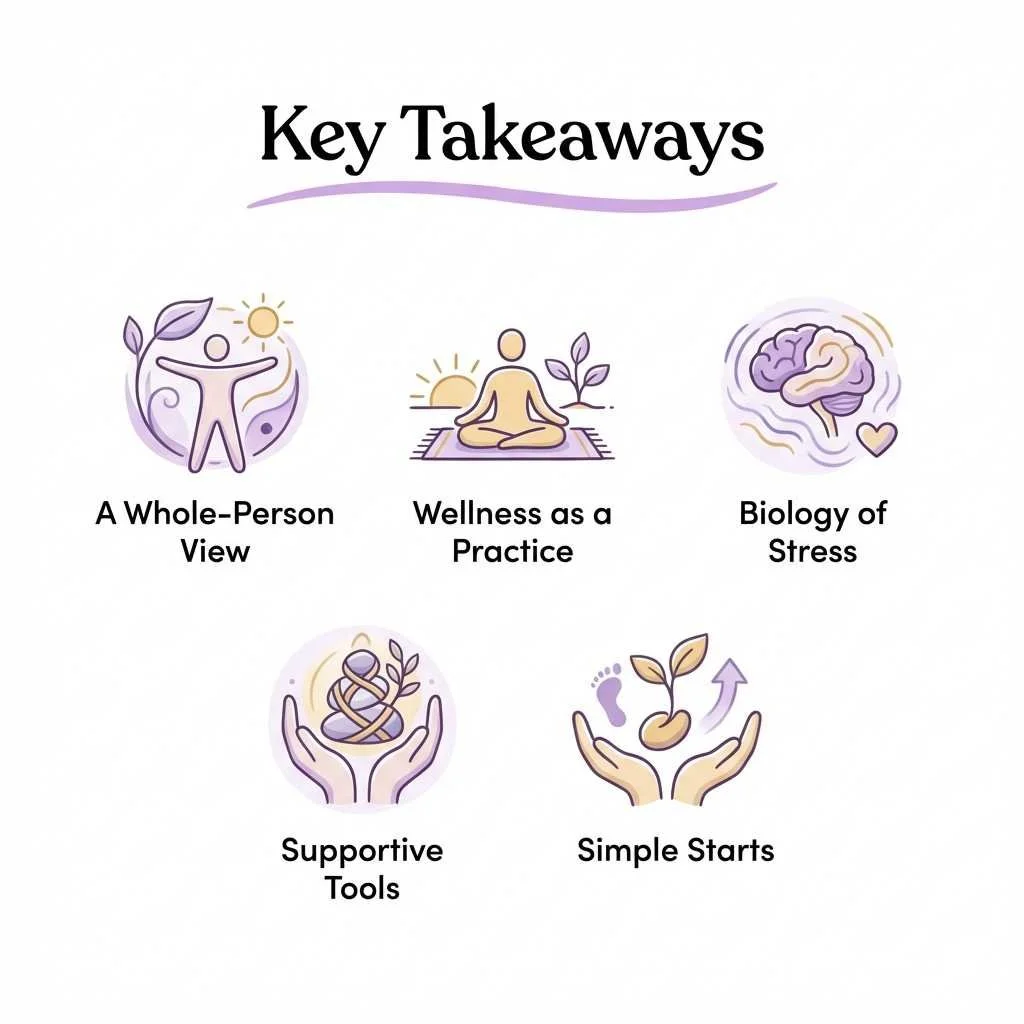
Key Takeaways
A Whole-Person View: A holistic assessment looks at the five pillars of your life: physical, emotional, spiritual, social, and environmental.
Finding the Root: By looking at the big picture, we can notice patterns and underlying causes rather than just reacting to a single symptom.
Wellness as a Practice: This approach is about ongoing maintenance and steady stewardship of your body, much like tending to a garden over time.
Biology of Stress: Understanding how chronic stress affects your nervous system is often the first step in making sustainable changes.
Supportive Tools: Gentle bodywork, such as Shiatsu, serves as a practical way to listen to what your body is trying to tell you.
Workplace Balance: Holistic health isn't just for home; it is vital for sustainable energy in our professional lives too.
Simple Starts: You don't need to change everything at once; small, honest adjustments often last the longest.
Understanding the Holistic Health Assessment
When we talk about a holistic health assessment, we are talking about more than just a physical check-up. We are looking at the 'whole' person. This means acknowledging that you are not just a collection of mechanical parts to be repaired when they break.
You are a complex person living a busy life. Everything you do, from the way you breathe to the people you spend time with, affects how you feel. An assessment is simply a structured way to notice those connections.
Current health data supports this view. According to the World Health Organization, health is a state of complete physical, mental, and social well-being, not merely the absence of disease. Research suggests that up to 90% of doctor visits are linked to stress-related issues. This statistic highlights why looking only at the physical symptom often misses the wider story.
Think of it like tidying a cluttered room. You don't necessarily need to throw everything away or buy new furniture. You just need to see where things have piled up so you can move around more freely again.
The Science Behind the Approach
While the term "holistic" can sometimes sound vague, it is rooted in the Bio-Psycho-Social model of health. This model, widely accepted in healthcare, recognises that biological, psychological, and social factors all play a significant role in human functioning.
When we experience stress, our bodies release cortisol and adrenaline. If these remain high for too long, they can disrupt sleep, digestion, and immune function. A holistic health assessment looks for these physiological breadcrumbs. It frames them not as failures, but as signals that your system is working hard to adapt.
The Five Pillars of Your Well-being
A comprehensive assessment usually looks at five specific areas of your life. Each one plays a part in your overall sense of balance. We invite you to read through these slowly and see which ones resonate with you today.
1. Physical Health
This is the most visible pillar. It includes your sleep, what you eat, and how you move. We also look at the smaller signals, like tension in your shoulders or how your digestion feels after a long day.
We often ask about sleep quality first. The Sleep Foundation notes that poor sleep affects mood, memory, and health. If your body isn't resting, it cannot repair. If you are looking for a Japanese Massage in London to help settle your physical body for better rest, we can discuss how bodywork supports sleep hygiene.
2. Emotional Health
Our feelings and our bodies are closely linked. Stress or worry often shows up as physical tightness, particularly in the neck, jaw, or lower back. A holistic health assessment provides a space to acknowledge these feelings without judgment.
We create a safe environment where you don't have to perform or pretend. It is simply about noticing if your emotional load is heavier than your shoulders were designed to carry.
3. Spiritual Health
This isn't necessarily about religion. It is about your sense of purpose and what brings you peace. When we feel disconnected from what matters to us, our energy can feel very low—a state often described as burnout.
Do you feel a sense of connection to your daily tasks? Do you have moments of stillness? These questions help us understand your internal reserves.
4. Social Health
We are deeply affected by the people around us. Your relationships at home and work can either support your nervous system or keep it in a state of high alert.
Loneliness and social isolation are increasingly recognised as health risks. Conversely, strong social connections can boost longevity. We look at whether your social circle feels like a source of rest or effort, and how you might set boundaries to protect your energy.
5. Environmental Health
Your surroundings matter. This includes your home, your workspace, and how much time you spend in nature. We consider whether your environment is helping you stay grounded or adding to your sense of overwhelm.
If you work in a harsh, artificially lit office, your body may be craving the rhythm of natural light. Recognising this allows us to suggest small changes, like a lunch break in the park, which can lower cortisol levels.
Why a Whole-Person Approach is Helpful
Most traditional approaches focus on a single symptom. If your head hurts, you might take a pill. This can be useful for the moment, but it doesn't always explain why the headache started in the first place.
A holistic health assessment is like a weather warning. It helps you notice the wind picking up before the storm hits. By identifying small imbalances early, you can make gentle adjustments to your routine.
This leads to more personalised outcomes. Since no two people have the same life, no two people will have the same path to feeling well. As a holistic practitioner in Croydon, I respect your individual story and your specific needs. It is not about applying a template to your life; it is about co-creating a plan that fits you.
How Shiatsu Informs the Assessment
In our practice, we use Shiatsu as a grounded way to support this assessment. Shiatsu is a Japanese bodywork therapy that uses gentle pressure on specific points. It is a very quiet and respectful way to check in with the body.
During a session, a practitioner isn't trying to 'fix' you. Instead, they are listening. By noticing where the body feels busy or where it feels very quiet, we can get a sense of where your energy might be stuck.
We often look at the 'meridians,' which are simply paths of energy in the body. In plain English, this just means we are looking for a sense of balance. If one area is working too hard—perhaps your mind is racing—another area, like your digestion, might be feeling neglected.
The Role of the "Hara"
In Shiatsu, we often look at the 'Hara,' or the abdomen. This is considered the centre of your vitality. A gentle touch here can tell us a lot about your internal state.
It is a very practical tool. It helps us see which of your body's systems might need a bit more nourishment and which ones might need to rest. This information helps us tailor the session to what you need on that specific day.
For those interested in exploring this connection deeper, you might find our Shiatsu Blog a helpful resource for reading more about how belly and brain connect.
Integrating Reiki for Clarity
Sometimes, the 'noise' in our lives is more energetic than physical. This is where Reiki can be a useful addition to the assessment process. Reiki is a gentle practice that focuses on the flow of energy.
When we combine therapies, such as having Shiatsu Massage and Reiki combined in Croydon, we get a fuller picture. Shiatsu tells us about your structure and tension; Reiki tells us about your nervous system's ability to switch off.
Many clients report that during the Reiki portion of a session, they find a clarity of mind that was missing before. This mental stillness is often where the most honest answers to our assessment questions arise.
Face the World: The Story in Your Face
Our faces often hold tension we aren't even aware of. The jaw holds back words; the forehead holds worry. We offer a Japanese facial in London which is not just cosmetic. It is a therapy that releases deep-seated tension in the facial muscles.
During an assessment, we might look at the brightness of the eyes or the skin tone. In Eastern traditions, looking at the face is a key diagnostic tool. It can reveal dehydration, exhaustion, or digestive stress long before other symptoms appear.
Wellness for Teams and Businesses
Holistic health is not just for individuals. We increasingly see businesses recognising that a burnt-out team cannot be effective. A holistic health assessment perspective can transform a workplace culture.
We offer services for business teams who want to support their staff. This isn't just about a one-off treat. It is about acknowledging that your employees are whole people. When a company provides access to calming therapies, it signals respect for the staff's well-being.
Whether it is on-site chair Shiatsu or a workshop on self-care, introducing these concepts at work can reduce sick days and improve morale. It shifts the culture from "survival" to "stewardship."
Wellness is an Ongoing Practice
It is important to remember that feeling well is not a destination you reach and then stay at forever. It is an ongoing conversation with yourself. It requires diligence and a bit of patience.
We often use the analogy of a car service. You don't wait for the car to break down on the motorway before you check the oil. Regular maintenance keeps things running smoothly and prevents larger issues later on.
A holistic health assessment is a part of that maintenance. It isn't a one-time 'cure,' but a way to keep your path clear. Like clearing leaves off a garden path, it just makes the way forward a little easier to see.
The Balance of Inner and Outer Work
Change over time happens when we look at both our inner thoughts and our outer actions.
Inner work might involve noticing how you speak to yourself. Using 'gracious speech' with yourself is just as important as the food you eat. If you are always self-critical, your body will struggle to feel truly at rest.
Outer work involves the steady, honest labour of looking after yourself. This might mean drinking more water, going for a short walk, or setting a boundary at work. These are small actions, but they add up over time. If you feel you need support with the energetic side of this work, exploring Reiki in Croydon can be a gentle place to start.
What to Expect During an Assessment at NSC
If you decide to explore a holistic health assessment with us, the process is designed to be unhurried. You should never feel rushed or pressured.
A Quiet Talk: We start with a conversation about your history and how you are feeling right now. We listen to your story without trying to label it.
Observation: We look at simple physical cues, such as your posture or the way you breathe. This helps us see how you are carrying yourself against gravity.
Bodywork: If we include Shiatsu or Reiki, you will stay fully clothed. The touch is gentle and supportive. It is a time for your nervous system to settle.
Reflecting Together: After the session, we share what we noticed. We might suggest a few small things you can do at home to support the balance we found.
DIY Check-In: A Simple Assessment You Can Do Now
You do not need to wait for an appointment to start listening to your body. Here is a simplified version of a check-in you can try at home:
Breath: Place a hand on your belly. When you breathe in, does your hand move? If only your chest moves, you might be breathing shallowly due to stress.
Shoulders: Are they creeping up towards your ears? conscious release here sends a signal of safety to the brain.
Digestion: Do you feel bloated or heavy after meals? This is often a sign that we are eating while rushing.
Mood: On a scale of 1-10, how lighter do you feel on a Saturday compared to a Monday? A big gap might indicate work-related burnout.
These simple observations are the seeds of a holistic view.
Common Questions About Holistic Assessments
Is this the same as seeing a doctor? No. A GP check-up is for medical diagnosis and treatment. A holistic health assessment is a supportive tool that looks at your lifestyle and general well-being. They work very well alongside each other. We always recommend seeing a doctor for acute medical concerns.
Do I need to be feeling poorly to have an assessment? Not at all. Many people use these sessions as a way to stay well. It is a form of stewardship for your body, helping you stay aware of your needs before you feel exhausted. Prevention is always gentler than recovery.
Will it feel 'woo-woo' or spiritual? We keep our approach very earthbound. While we acknowledge the 'spirit' as your sense of purpose and peace, our focus is on physical sensations and practical life changes. We use plain English to explain everything we do.
How many sessions will I need? Since wellbeing is a practice, most people find that regular check-ins are more helpful than a single visit. However, even one session can provide a helpful pause and some clarity on your next steps. We move at your pace.
Can this help with workplace stress? Yes. By identifying the specific triggers in your environment and your physical response to them, we can find strategies to help you navigate high-pressure days with more grounding.
Taking the Next Step
A holistic health assessment is simply an invitation to be more present in your own life. It is about giving yourself the space to be heard and the time to notice what you truly need.
There are no magic solutions here, only the steady work of looking after yourself with kindness. We are here to walk beside you as a steady companion on that path, offering a quiet space for you to find your balance again.
If you feel ready for a pause, you can see our current availability for a consultation or a Shiatsu session here. We would be happy to support you in finding a sense of balance that feels right for you.
A Simple Suggestion for Today
Before you move on to your next task, take one deep breath. Notice where your shoulders are. If they are up near your ears, let them drop just a little. This small moment of awareness is the beginning of a holistic approach to your health.
About the Author
This article was brought to you by Norma Powell, a dedicated Shiatsu practitioner at Norma Shiatsu Croydon. With a warm and steady approach, Norma provides nurturing Shiatsu treatments designed to ease physical tension and promote overall relaxation. Her practice is rooted in empathy and a genuine commitment to helping people feel safe and comfortable in their own bodies, focusing on the tangible, restorative benefits of touch-based therapy.
