
Decoding Holistic Health Institute Reviews: Your Guide to Quality Care
Searching for a path to better health often leads us to a crossroads. You might feel a persistent sense that your vitality is not quite where it should be. Perhaps you are looking for a deeper, more integrated way to support your body and mind.
In this journey, you will likely encounter various organisations. You might find a holistic health institute, a college, or a university. Each offers a different perspective on wellbeing.
When you begin searching for "Holistic Health Institute Reviews," the volume of feedback can be overwhelming. It is hard to know what to trust. How do you distinguish between a marketing-driven testimonial and a genuine account of change over time?
This guide is designed to help you navigate these reviews with discernment. We will focus on the markers of quality, integrity, and the slow work of finding balance.
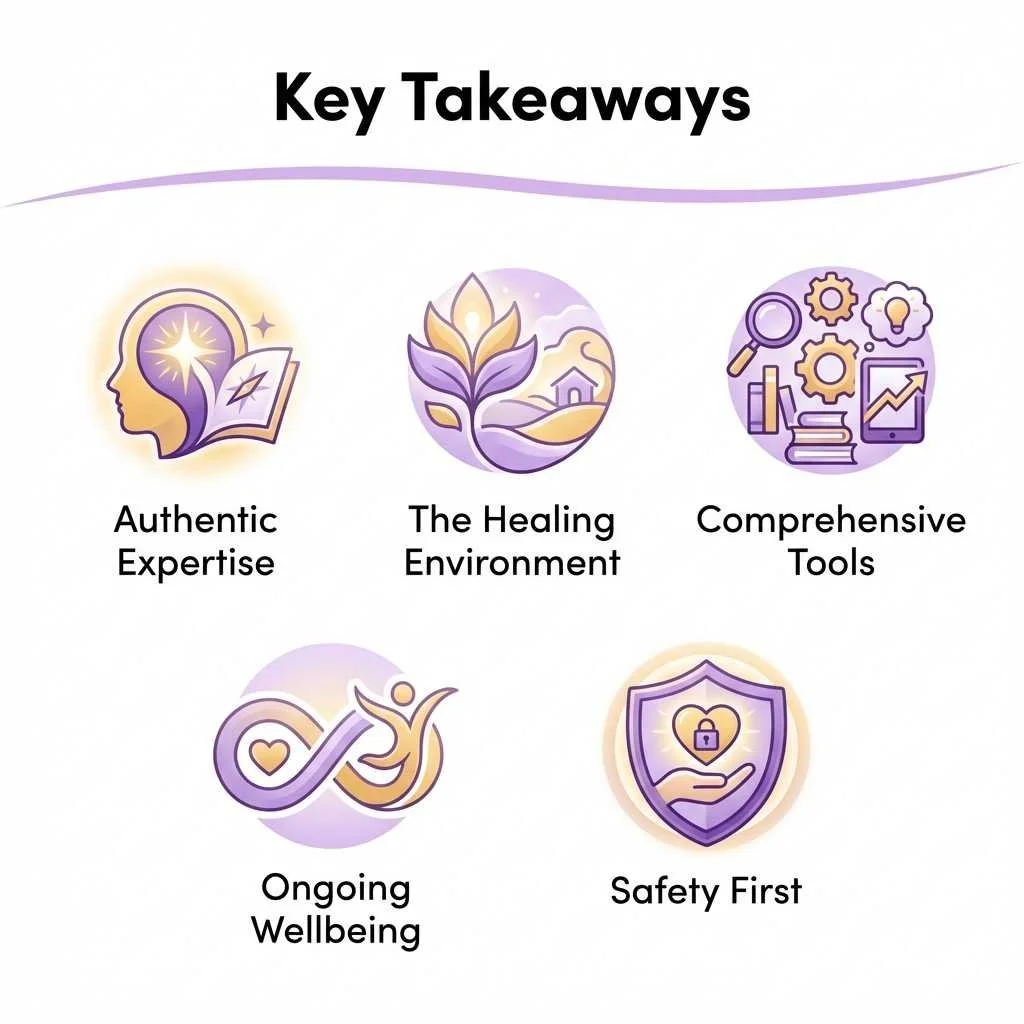
Key Takeaways
Authentic Expertise: Look for institutes that prioritise rigorous training over "overnight" certificates. Genuine knowledge takes time to grow.
The Healing Environment: Reviews that mention the "feeling" of a space highlight the role of a settled nervous system. Call calm space a foundation for wellbeing.
Comprehensive Tools: High-quality institutes provide a spectrum of services—from Reiki to Shiatsu—that address the person as whole.
Ongoing Wellbeing: Positive reviews often highlight practitioners who act as companions. They offer tools for self-care rather than quick fixes.
Corporate Care: Reviews often reflect how institutes handle group dynamics. This is vital for business teams seeking wellness support.
Safety First: Look for mentions of "safe" or "respectful" touch. This indicates a trauma-informed approach.
No Magic Bullets: Trust reviews that speak of steady progress. Avoid those promising instant cures.
1. Navigating the Landscape: The Institute for Holistic Health vs. Colleges
Before diving into the reviews, it is helpful to understand the terminology. These terms are often used interchangeably, but they have different purposes. Knowing the difference helps you filter reviews effectively.
The Role of a Holistic Health Institute
An institute for holistic health typically focuses on specialised training or clinical practice. These are often hubs for the application of specific tools like nutrition or energy work.
Reviews for these establishments should focus on the practical application of knowledge. Look for mentions of how the practitioner helped the client notice their own body signals. Does the review mention hands-on skill? Does it mention the practitioner's presence?
An institute is often vocational. It is about the "doing" of the therapy. Reviews should reflect competence in the craft.
What Defines a Holistic Health College?
A holistic health college usually offers structured academic programmes. These institutions are more focused on the educational journey.
When reading reviews for these, look for mentions of "academic rigour" and "faculty support." A good name in this sector is built on the integrity of its graduates.
If you are seeking a practitioner, knowing they attended a reputable college matters. It suggests they have studied anatomy, ethics, and safety. It implies they did not take a shortcut.
The Scope of a Holistic Health University
A holistic health university often implies a higher level of research and degree-granting power. This is where tradition meets modern inquiry.
Reviews here might discuss the depth of the curriculum. They might mention research opportunities. For a patient, this level of education in a practitioner suggests a deep theoretical understanding.
It shows they value the "why" behind the "how."
The International Institute of Holistic Health Perspective
The international institute of holistic health model often suggests a broader perspective. It may incorporate traditions from across the globe.
You might see references to Japanese healing arts or Ayurveda. Reviews here should reflect a respect for these traditions.
Look for evidence that they teach with accuracy and cultural sensitivity. Are they honouring the roots of the practice? Or are they just borrowing the aesthetics?
2. Decoding the Reviews: Spotting Authenticity and Integrity
In an age of digital marketing, it is vital to read reviews with a quiet mind. Not all feedback is created equal. As a seeker of truth, you must look closer.
You should look for "gracious speech" and "absolute honesty" in the way others describe their experiences.
The Marker of Specificity
Vague reviews that say, "This place is great!" offer little value. They are like empty calories. They taste good but provide no nourishment.
Instead, look for detailed accounts of the experience. According to feedback for the International Institute of Holistic Health, the most trusted reviews describe details.
They mention the practitioner's "genuine interest." They mention a "knowledgeable" approach.
When a reviewer mentions a specific outcome—like a sense of calm after Reiki—it adds a layer of verifiable evidence. It shows a real human experience.
Identifying "The Heart" of the Review
A review that reflects a "welcoming and knowledgeable" staff is a good sign. In the holistic world, the practitioner's state of mind is very important.
If multiple reviewers describe feeling "heard" or "respected," the institute likely values the person. They see you as an individual to be served. You are not just a symptom to be fixed.
This is critical. You want to be treated as a whole person.
Red Flags to Watch For
Be wary of reviews that promise "miracles" or "instant results." Change over time is a slow and steady process. The body has its own rhythm.
Any institute that suggests rewards can be reaped without effort is likely misrepresenting the nature of wellbeing. Look for reviews that acknowledge the "work" involved.
True wellbeing is a partnership. It requires your participation. Reviews that mention this dynamic are usually the most honest.
3. Identifying Genuine Expertise and Compassionate Practitioners
When you search for holistic health institute reviews, your goal is to find expertise. But what does that look like in a grounded context?
It is a blend of "knowing" and "being." It is the ability to sit with someone without rushing them.
Verifiable Credentials and Experience
A reputable institute for holistic health will be transparent about qualifications. Reviews may mention the "depth of knowledge" or "professionalism" of the staff.
This reflects a commitment to diligence. Mastery is earned through study and practice. The "good name" of a practitioner is anchored in this dedication.
If you are looking for a holistic practitioner in Croydon, check their background. Do they have a solid foundation?
Reviews should confirm that the practitioner knows their limits. A good expert knows when to refer you to someone else.
The Role of Compassion
Knowledge without compassion is like a lamp without oil. It gives no light. The most impactful reviews highlight the practitioner’s ability to be "gentle in delivery."
This balance is essential. You want a practitioner who is honest with you about your habits. But you also need a supportive environment for change.
Compassion creates safety. Safety allows the nervous system to rest. When we rest, we can begin to recover.
4. The Role of a Positive, Healing Environment
The environment of a holistic health university or clinic is a fundamental part of the process. It is not just about the decor or the music.
Our nervous systems are always scanning for safety. This is a biological fact. A "healing environment" helps the body move from stress into a state of rest.
Physical and Energetic Space
Reviews often mention how a centre feels "calm" or "orderly." This is like the Tidy Room analogy.
Imagine walking into a room cluttered with old newspapers and laundry. Your mind feels cluttered too. Now imagine a room that is open, clean, and aired out. You can breathe.
When a space is clear, it is easier to move around. It is easier to think.
An intentional space signals to the client that their wellbeing is being taken seriously. It is an act of stewardship over the environment.
The Support System
A positive environment includes the administrative staff. Reviews for the international institute of holistic health often mention the "welcoming" nature of the team.
When the inner work feels difficult, a supportive outer environment can be an anchor. It helps you stay on your path.
If the receptionist is rude or the booking system is chaotic, it adds stress. Good reviews will mention the ease of the entire experience.
5. Understanding Comprehensive Holistic Service Offerings
A true institute for holistic health understands that the human being is complex. We are not just mechanics. We are gardens.
Their services should reflect this complexity.
The Integration of Traditions
Quality institutes often offer a range of tools. Look for reviews that mention:
Reiki: For supporting relaxation and finding a sense of balance.
Shiatsu: For noticing physical tension and supporting awareness.
Japanese Facials: For combining skin health with a mental pause.
Nutritional Guidance: For the stewardship of the physical body.
Reviews that praise a "comprehensive" approach are a good sign. They suggest the institute is looking at the wide, structured path to wellbeing.
Tailored Treatments for Individuals
Every person is different. A cookie-cutter approach rarely works. Look for reviews that say, "The practitioner tailored the session to me."
For example, a Japanese facial in London should be more than just skin deep. It should be a moment of deep rest. It should address the tension in the jaw and neck.
This attention to detail is a hallmark of quality care.
Synergy for Business Teams
Holistic health is not just for individuals. It is also for groups. Many institutes now offer services for business teams.
Reviews from corporate clients are telling. They often mention "improved morale" or "reduced burnout."
If a team can experience a Shiatsu Massage and Reiki combined in Croydon, it creates a shared language of rest. It shows the company values the health of its people.
6. Interpreting "Successful Outcomes" for Ongoing Wellbeing
What does success look like in the holistic world? This is an important question to ask when reading holistic health institute reviews.
The Car Service Analogy
Think of your wellbeing like a Car Service. You don't wait for a total breakdown to check the oil or the tyres.
If you wait for smoke to pour out of the engine, the damage is already done. It costs more to fix. It takes longer to repair.
Success is regular maintenance that keeps you running smoothly. Reviews that mention "increased energy" or "better understanding of my body" are indicators of good care.
They show the client is maintaining their vehicle.
Beyond Fixing
In conventional medicine, success is often the absence of a symptom. If the pain is gone, you are "cured."
In holistic care, we look for something else. We look for the presence of vitality. We look for resilience.
If a review says, "The practitioner gave me tools to manage my stress," that is a gold-standard outcome. It shows the institute is helping you become a better steward of your own health.
It empowers you. It does not make you dependent on the practitioner.
7. Service Synergy: The Role of Reiki and Shiatsu
Within a holistic health institute, certain tools like Reiki stand out as foundational. If you feel "something isn't quite right," these can be a gentle starting point.
Reiki as a Supportive Tool
Reviews for Reiki in Croydon often focus on "stress reduction." It is important to see Reiki as a supportive tool within a wider path.
It is not a magic solution. It is a way to quiet the noise of a busy life. It helps you hear what your body is trying to tell you.
Reiki balances the energy. It is like tuning a radio. When the static is gone, the music is clear.
The Grounding Power of Shiatsu
Shiatsu is more physical. It uses touch to support the flow of energy.
Reviews for Japanese Massage in London often mention relief from physical tension. But they also mention a sense of emotional release.
Because Shiatsu and Reiki are non-invasive, they offer the "calm and respectful care" that many people crave. They provide a physical sensation of being grounded.
When a review mentions that a session helped them "breathe again," they are describing the restoration of peace. This is the first step toward any lasting change.
8. The Weather Warning: Listening to Early Signs
Another useful analogy to look for in reviews is the concept of the Weather Warning.
Noticing the Wind
Reviews often share stories of ignoring signs. "I waited until I couldn't walk," one might say.
A good institute teaches you to notice the wind picking up. Tension in the shoulders is a breeze. A headache is a gust. Exhaustion is the storm.
We want to catch the weather before the storm breaks.
Educating the Client
The best reviews mention education. "I learned how to sit better at my desk." "I learned to take breaks."
This means the institute is teaching prevention. They are teaching you to read your own weather report. This is true healthcare.
9. Making an Informed Choice
Choosing where to go is an act of stewardship. You have a responsibility to manage your own resources and time.
Assessing the Investment
When reading reviews for a holistic health college, look for comments on value. Is the information clear? Is the approach realistic?
Diligence in your research now will prevent the frustration of pursuing a path that does not yield fruit. Look for absolute honesty in the institute's claims.
Money is energy. You want to exchange your energy for something of value.
The Transparency of the Institute
A "good name" is built on transparency. If an institute is honest about its limitations, it is a sign of integrity. This should be reflected in the reviews you read.
If they say, "We can support you," that is honest. If they say, "We can fix you instantly," be careful.
For more insights on these practices, you can visit our Shiatsu Blog. It offers a library of grounded thoughts.
10. The Importance of Business and Team Wellness
We must also consider the reviews from a business perspective. Wellness is not just a personal pursuit. It is a professional necessity.
Supporting the Team
When a company invests in holistic health for its employees, the reviews often reflect a shift in culture.
Employees feel valued. They feel seen. This leads to better retention and happier workplaces.
A review from a business owner might say, "Our team is more cohesive after our wellness day." This is a powerful endorsement.
Tangible Benefits
Stress helps no one. It kills creativity. It slows down production.
By offering treatments like seated Shiatsu or group Reiki sessions, businesses can lower the collective stress level.
These reviews are crucial for corporate decision-makers. They provide proof that wellness is a sound investment.
FAQ Section
What is the primary difference between an institute and a university?
A holistic health institute typically focuses on clinical practice, hands-on training, and specific therapeutic tools. A holistic health university generally offers broader academic degree programmes with a stronger focus on research and theory.
How can I reliability tell if a review is genuine?
Look for specific details and a balanced tone. Real reviews often mention the "steady work" required and avoid overly dramatic claims. Be wary of promises of a "cure" or "instant miracle," as true wellbeing takes time.
Are these holistic organisations officially accredited?
Accreditation varies significantly by region. In the UK, look for memberships in professional bodies like the CNHC. A reputable holistic health college will always display its credentials and affiliations clearly for you to see.
How many sessions will I need to feel better?
Wellbeing is a practice, much like tending a garden. You didn't get tired overnight, and you won't feel fully rested after one hour. Most people find that regular sessions over time offer the most sustainable support.
Do these institutes offer services for businesses?
Yes, many quality institutes offer corporate packages. These can include on-site treatments or team wellness days. Reviews from business clients can give you a good idea of their professionalism and ability to handle groups.
Conclusion: Your Path to Quality Care
Decoding holistic health institute reviews requires a quiet and discerning eye. It is about finding truth and genuine expertise in a noisy world.
Summary of Key Points:
Seek Detail: Look for specific mentions of a "welcoming environment" and "knowledgeable staff."
Value Integrity: Prioritise organisations that are realistic about their outcomes and timelines.
Focus on the Whole: Choose those that offer comprehensive tools for ongoing wellbeing.
Embrace the Practice: Remember that health is a journey of stewardship and steady work.
Watch the Weather: Listen to your body's early warning signs.
Suggested Next Steps:
Identify Your Needs: Are you looking for education at a holistic health college or a session at an institute for holistic health?
Verify Credentials: Check the practitioner's background to ensure they have a "good name" in the industry.
Book a Consultation: If you feel ready for a pause, start with a foundational tool like Reiki. It provides a safe space to assess your wider path.
By following these principles, you can move from uncertainty to a path of clear guidance. Your health is a precious resource. Treat it with the respect it deserves.
If you feel ready for a pause, you can see our current availability for grounded support here.
Sources
National Center for Complementary and Integrative Health. Reiki: What You Need To Know. (NCCIH Website)
Cancer Research UK. Shiatsu. (Cancer Research UK)
Complementary and Natural Healthcare Council. CNHC Code of Conduct. (CNHC Website)
Polyvagal Institute. What is Polyvagal Theory? (Polyvagal Institute Website)
About the Author
This article was brought to you by Norma Powell, a dedicated Shiatsu practitioner at Norma Shiatsu Croydon. With a warm and steady approach, Norma provides nurturing Shiatsu treatments designed to ease physical tension and promote overall relaxation. Her practice is rooted in empathy and a genuine commitment to helping people feel safe and comfortable in their own bodies, focusing on the tangible, restorative benefits of touch-based therapy.
Connect with Norma on LinkedIn
