
Navigating Holistic Health NHS: Integrated Care & Personal Wellbeing
Modern healthcare can sometimes feel like a series of quick tasks. You might see a specialist for one symptom and a GP for another. Often, you may still feel as though the full picture of your health is being missed. Navigating holistic health nhs services can seem complex, but the path is becoming clearer.
Many people across the United Kingdom find themselves in a peculiar position. You might feel "fine" according to a clinical test. Yet, you do not feel truly well. The fatigue lingers. The worry remains.
The good news is that the NHS is undergoing a quiet, steady shift. It is moving away from just "fixing" specific parts of the body. It is moving toward a model of "Universal Personalised Care."
This approach looks at the whole person. It acknowledges that your health is a complex tapestry. It is made of physical, emotional, social, and spiritual threads.
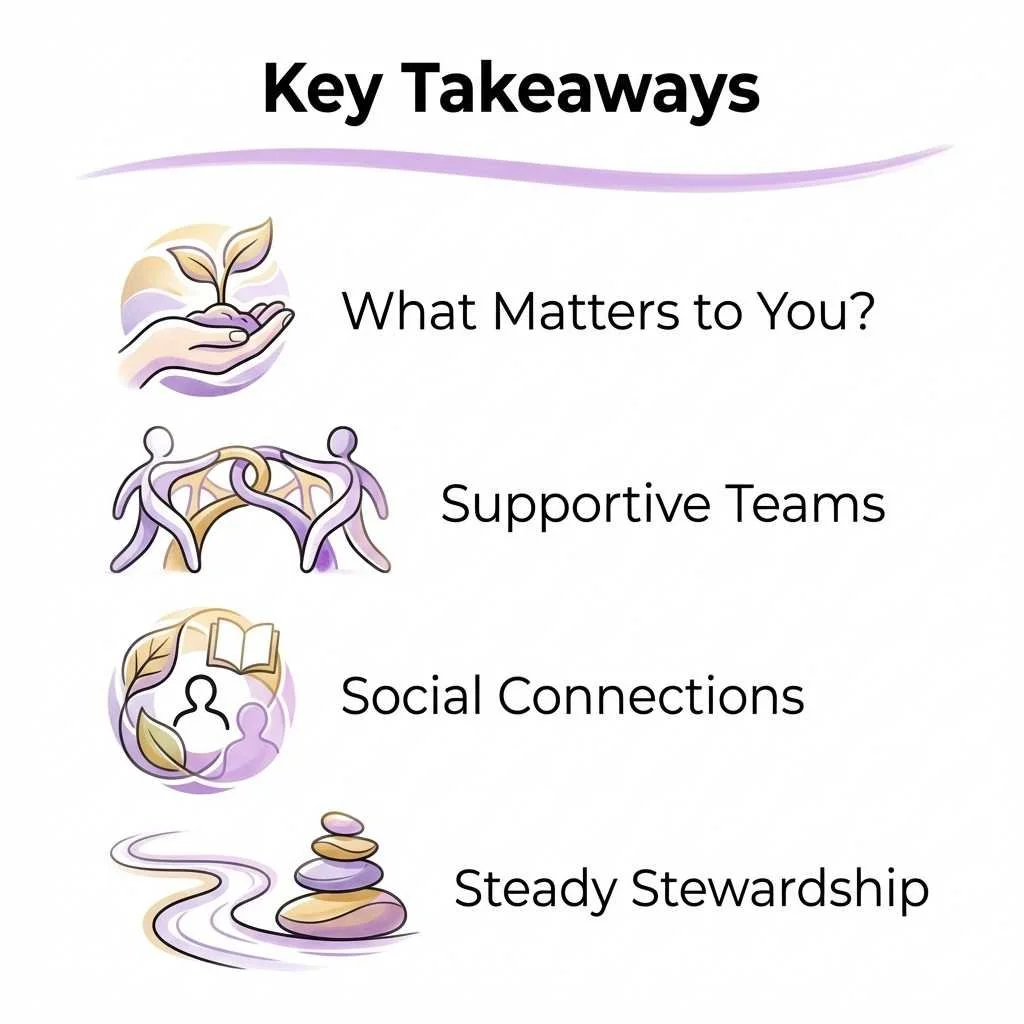
Key Takeaways
A Shift in Focus: The NHS is changing the central question from "What is the matter with you?" to "What matters to you?".
Supportive Teams: Care now involves multidisciplinary teams where mental and physical health sit side by side.
Social Connections: Social prescribing connects people to community groups, nature, and art to reduce isolation.
Steady Stewardship: Wellbeing is an ongoing practice of maintenance, not a one-time "cure."
Complementary Support: Practices like Shiatsu and Reiki can sit alongside clinical care to offer deep rest.
Personal Responsibility: You are the steward of your own health, making prudent daily choices.
Availability: While NHS resources are stretched, private holistic care often bridges the gap for immediate support.
The NHS Evolution: From Episodic to Holistic Care
For a long time, the standard experience of the NHS was "episodic." You felt a pain. You saw a doctor. You received a treatment. That was the end of the conversation.
This model works very well for emergencies. If you break a leg, you need it fixed. But this model struggles with recent history. The complexities of modern life are heavy. Chronic stress and long-term tiredness do not fit into a single ten-minute appointment.
The NHS Long Term Plan is changing this. By embracing nhs holistic health initiatives, the system is starting to look wider. It looks at the "social determinants of health." These are the things outside the doctor’s office that make us who we are.
Think of it like tidying a cluttered room. You do not just move one chair. You look at the whole space. You see how you can move around more freely.
Addressing the Whole Person
The system is realising that pill-based solutions have limits. Statistics from NHS England suggest a massive shift is needed. Approximately 2.5 million people were set to benefit from Universal Personalised Care by 2024.
This is not just paperwork. It is a fundamental change in how we see humans. "Integrated Care" means your care team looks at several areas at once:
Physical Health: Managing your biological symptoms and pain. Mental Health: Supporting your emotional resilience. Social Wellbeing: Considering your relationships and housing. Meaning and Purpose: Acknowledging the need for peace and direction.
The Role of Social Prescribing
One of the most grounded examples of holistic wellbeing nhs progress is the rise of Social Prescribing. This is a practical response to a startling fact. Is is estimated that one in five GP appointments is for non-medical issues. These are issues like loneliness, debt, or poor housing.
If you have visited your GP recently, you may have been introduced to a "Link Worker." A Link Worker is someone who has the time to listen. They do not look at you as a set of symptoms to be solved.
Instead, they might help you connect with a local gardening group. They might suggest a choir or a walking club. This is not "alternative" medicine. It is a practical way to reduce the chronic stress that leads to physical illness.
Multidisciplinary Teams (MDTs)
The "lone doctor" model is being replaced by teams. Today, your care might involve pharmacists and physiotherapists. It may involve mental health practitioners and social workers.
This "team-around-the-patient" ensures that no part of your wellbeing is ignored. It is a diligent way of making sure you are supported as a whole human being. It reduces the chance of you falling through the cracks.
The Four Pillars of Holistic Wellbeing
To navigate your own health, it helps to have a map. We like to think of four pillars. Each one supports the other. If one is neglected, the others may start to feel the strain.
1. Physical Stewardship
The body is like a garden. It needs regular, gentle attention. This involves honest movement. It requires rest and simple nutrition.
The NHS now promotes "Lifestyle Medicine." This encourages us to take an active role in our habits. It is not about running marathons. It is about a daily walk. It is about drinking water. It is about respecting the vessel you live in.
2. Mental and Emotional Quiet
Mental health is not just the absence of a diagnosis. It is the presence of a sense of calm. The NHS focuses on the "Five Ways to Wellbeing." These are: Connect, Be Active, Take Notice, Keep Learning, Give.
This is a simple framework. It helps us find balance in a noisy world. It reminds us that our minds need rest just as our bodies do.
3. Social Connection
Human beings are social creatures. Isolation can be as hard on the body as a physical injury. Being part of a community provides a safety net.
This is why we value being a local holistic practitioner in Croydon. We see the value of face-to-face connection. We see how a kind word can lift a heavy mood. Community is a medicine all its own.
4. A Sense of Purpose
While the NHS is secular, it recognises "spiritual care." This is not necessarily about religion. It is about finding meaning. It is about having hope.
Having a reason to get up in the morning is vital. It keeps the mind sharp. It gives the day structure. Without purpose, the other pillars can wobble.
Finding a Sense of Balance: The Role of Shiatsu and Reiki
In our practice, we see many people who use complementary therapies. They use them to support their NHS care. We believe that practices like Shiatsu and Reiki align with the NHS goal of person-centred care.
They offer a quiet hour in a busy world. They provide a space where you can finally settle. You can listen to what your body is trying to tell you.
This is the essence of Japanese Massage in London. It is a moment of pause. It is a time to stop rushing and start feeling.
Shiatsu: Mindful Pressure
Shiatsu is sometimes described as "acupuncture without needles." It uses gentle pressure and stretches. It helps the body relax deeply.
It is like clearing leaves off a garden path. The way forward becomes clearer. It does not "fix" you. We do not claim to cure medical conditions. But it may help you notice where you are holding tension. It allows you to let that tension go.
We write more about this approach in our dedicated Shiatsu Blog. We share stories of how regular sessions support a grounded life.
Reiki: A Moment of Pause
Reiki is a non-invasive practice. It focuses entirely on relaxation. Many people find it to be a helpful tool. It helps find a sense of balance when life feels overwhelming.
In the NHS, you will often find Reiki in cancer support centres. You might find it in hospices. It is used because it addresses emotional distress. It helps people find a moment of inner quiet amidst a health storm.
When seeking Reiki in Croydon, look for a quiet space. Look for a practitioner who listens. The goal is to lower the noise of the world so you can hear yourself think.
Combining Approaches for Deep Rest
Some of our clients need more than just one approach. They choose Shiatsu Massage and Reiki combined in Croydon. This allows for physical release through touch and emotional settling through stillness.
It is a comprehensive way to reset. It fits well with the idea of holistic care. You address the muscle and the mood at the same time.
Japanese Facials: Facing the World
We also offer restorative facial treatments. A Japanese facial in London is not just about skin deep beauty.
We hold a lot of tension in our faces. We clench our jaws. We furrough our brows. Releasing this tension is a signal to the nervous system. It tells the whole body that it is safe to relax. It is a gentle way to care for the face you show the world.
Support for Business Teams
This holistic approach applies to groups too. Workplace stress is a major health issue. It contributes to the "episodic" burden on the NHS.
We work with business teams to bring this sense of calm to the office. A team that knows how to rest is a team that can endure. If your staff are burnt out, productivity falls. But more importantly, people suffer.
Offering holistic support to a team is an act of stewardship. It says, "We value you as whole people."
Stewardship: Taking Responsibility for Your Health
A key part of holistic health nhs guidance is participation. The person is an active participant. The NHS can provide the framework. But the steady, honest labour of staying well remains with us.
This involves "prudence." We must make wise choices with our time and energy. It means being consistent with small habits. We do not look for a "magic" session to change everything.
The Maintenance Mindset
Think of your health like a car service. You do not wait for the vehicle to break down before you check the oil. Regular maintenance helps things run more smoothly over time.
We often see people only when they are in crisis. The back has gone. The stress is unmanageable. We are here to help then, of course.
But the real work is in the quiet times. It is in the regular monthly session. It is in the daily walk. It is in the early bedtime. This is stewardship.
Navigating the System with Patience
We must acknowledge reality. The NHS is under pressure. Waiting lists can be long. Staff are often overworked. This is where a holistic mindset is most helpful.
By taking responsibility for what we can control, we become more grounded. We control our movement. We control our rest. We control our mental discipline.
We use the system for what it is best at. It is best at acute care and diagnostics. We maintain our own daily practice of wellness for the rest.
Integrating Complementary Support
There is often confusion about where therapies fit. Some see them as competition to the NHS. We see them as companions.
The NHS creates the structure for survival. Holistic practices create the space for living well.
When you visit a holistic practitioner in Croydon, you are adding a layer of support. You are building a team around yourself. You are becoming the manager of your own wellbeing.
Common Questions (FAQ)
Is holistic health the same as alternative medicine? Not exactly. In the NHS, it is often called "Integrated Care." It uses conventional medicine alongside social and lifestyle support. The goal is to look at the whole person, not just the illness. It creates a complete picture of health.
Can I get Shiatsu or Reiki on the NHS? Direct access is very limited. It depends on your local Integrated Care Board (ICB). These therapies are most common in specialist settings like palliative care. Most people access them privately as part of their own personal maintenance.
What is a Link Worker? A Link Worker is a member of your GP surgery team. They are not doctors. Their role is to listen to what matters to you. They help you find non-medical support, like community groups, to improve your mental and physical health.
How long does it take to feel better? You did not get tired or out of balance overnight. Change takes time. Wellbeing is a slow conversation with yourself. We are just here to help start that talk. Expect a gradual shift rather than a sudden transformation.
Is holistic care supported by evidence? Yes. The NHS Long Term Plan is built on evidence. It shows that social and emotional support improves physical outcomes. When people feel heard and connected, they tend to heal better and manage chronic conditions more effectively.
An Invitation to Pause
Navigating your health does not have to be a rushed process. It does not have to be lonely. It is about moving from being a passive patient to being a steady steward.
You have the right to feel whole. You have the right to be heard.
If you feel that you need a quiet space to settle, we are here. We are here to walk beside you. We offer a place where the clock slows down.
If you feel ready for a pause, you can see our current availability for Shiatsu and Reiki sessions here.
Taking that first step is a quiet, powerful act. It is an act of care for yourself.
Sources
About the Author
This article was brought to you by Norma Powell, a dedicated Shiatsu practitioner at Norma Shiatsu Croydon. With a warm and steady approach, Norma provides nurturing Shiatsu treatments designed to ease physical tension and promote overall relaxation. Her practice is rooted in empathy and a genuine commitment to helping people feel safe and comfortable in their own bodies, focusing on the tangible, restorative benefits of touch-based therapy.
Connect with Norma on LinkedIn
