
What is a Holistic Health Practitioner? Your Guide to Whole-Person Wellness
In the modern age, many of us feel a sense of disconnection from our own bodies. You might have experienced that nagging feeling that something isn't quite right.
Perhaps your tests come back as normal, yet you still feel tired or unsettled. This is often where the support of a specific type of professional becomes helpful.
A holistic health practitioner doesn't look at the body as a collection of separate parts. Instead, they see you as a whole person.
They understand that your physical, emotional, and mental health are all connected. When one part of your life feels heavy, it often affects the rest of your wellbeing.
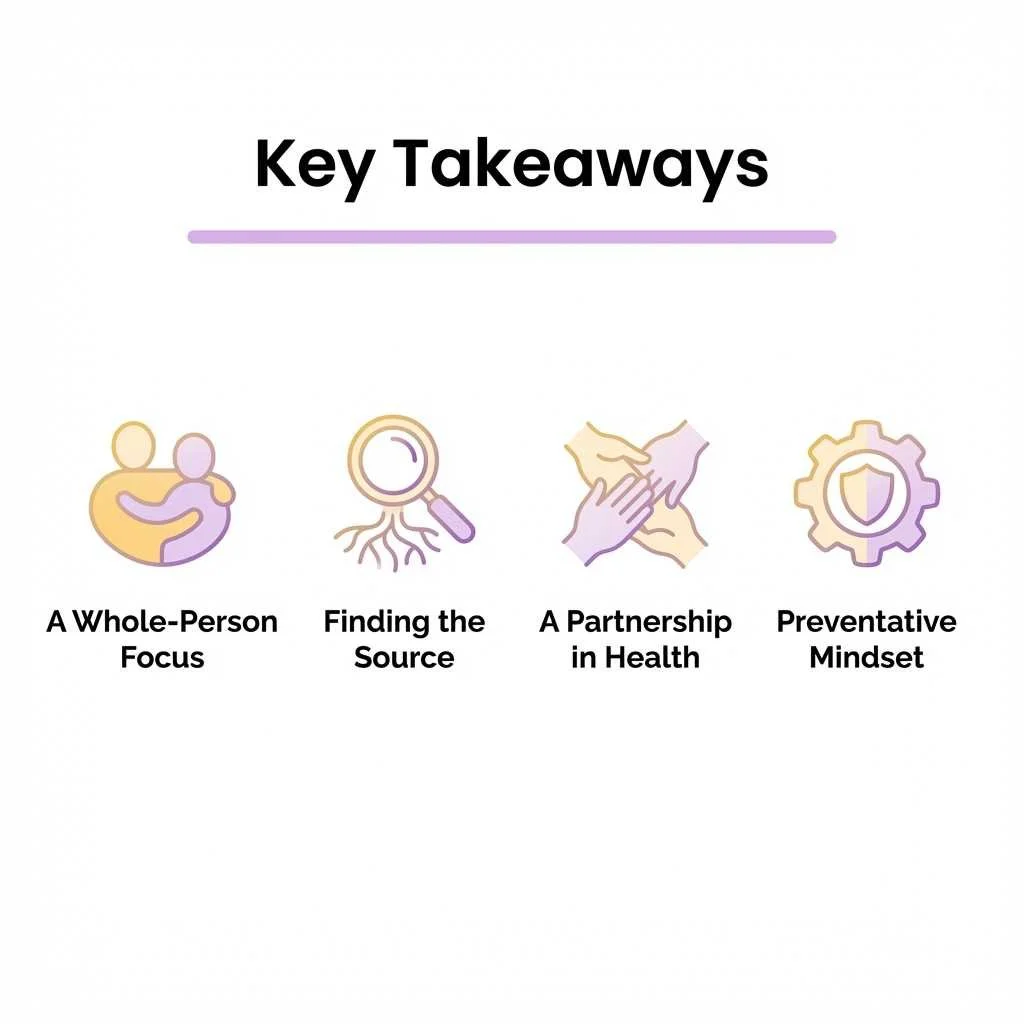
Key Takeaways
A Whole-Person Focus: A holistic health practitioner supports the person, not just a single symptom, by looking at the balance between the body and mind.
Finding the Source: Rather than just managing a surface issue, this approach looks for the underlying reasons why you might feel out of balance.
A Partnership in Health: Wellness is seen as a shared practice. It requires steady, small actions over time from both the practitioner and the individual.
Supportive Tools: Gentle practices like Shiatsu and Reiki are used to create a quiet space where the body can begin to settle and find its own rhythm.
Preventative Mindset: Just like servicing a car, regular care prevents breakdowns before they happen.
Corporate Support: Holistic health is increasingly vital for business teams to manage workplace stress and burnout.
What Is a Holistic Health Practitioner?
To understand what is a holistic health practitioner, we must first look at the word "holistic." It comes from the Greek word holos, meaning "whole."
In our current healthcare landscape, specialists often focus on one area. A cardiologist looks at the heart. A podiatrist looks at the feet. This is vital for acute medical issues.
However, a holistic practitioner takes a wider view. We look at the space between the parts.
We ask how your daily stress affects your digestion. We look at how your posture at work affects your sleep quality.
The Tidy Room Analogy
Think of your health like a room in your house.
If you have a headache, taking a pill is like shoving the clutter into a closet and closing the door. The room looks tidy for a moment, but the mess is not gone.
A holistic approach is different. We help you open the closet. We help you sort through the clutter.
We help you tidy the room so you can move freely again. It takes a little more time, but the result is a space that feels good to live in.
A Growing Need for Connection
This approach is becoming more necessary. According to recent data, the global complementary and alternative medicine market is expanding rapidly. This suggests that more people are seeking ways to support their health beyond standard medication.
People are looking for holistic practitioner in Croydon and beyond because they want to be heard. They want to understand the story their body is trying to tell them.
Who Is a Holistic Health Practitioner?
It is natural to ask who is a holistic health practitioner? Are they doctors? Are they therapists?
They are steady companions on your path to wellness. They are not there to "fix" you or provide a one-time miracle.
Instead, they are professionals who use traditional methods to support your body’s natural ability to find balance. They might have different backgrounds, such as nutrition, bodywork, or energy therapies.
The Educator and the Guide
At our practice, we see ourselves as educators first.
When you understand why your neck gets tight when you are stressed, you have power. You can make different choices.
A holistic practitioner offers the space and the tools. But we respect that you are the steward of your own health. We walk beside you, not ahead of you.
We are not medical doctors. We do not diagnose diseases or prescribe medication. We work alongside your medical team to support your general vitality.
What Is a Holistic Health Practitioner’s Approach?
If you have ever felt like a number in a busy waiting room, you will notice a difference here. The holistic approach is unhurried and observant.
The Symptom and the Root
In many settings, the focus is on silencing a symptom. If your back hurts, the goal is often just to stop the pain.
A holistic health practitioner asks a different question. They look at the symptom like a weather warning.
Just as you might notice the wind picking up before a storm, a physical ache is often a signal that something in your life needs attention. We look at why that signal appeared.
Is it due to how you sit? Is it the stress you carry from your commute? Is it a lack of quiet time for yourself?
By looking at the root, we help you tidy the room rather than just closing the door on the mess.
The Interconnected Self
We often talk about health in four simple layers. These layers do not exist alone. They lean on each other.
The Physical: Your body, your movement, and how you nourish yourself.
The Mental: Your thoughts and how you process the world around you.
The Emotional: How you hold and experience your feelings.
The Energetic: That subtle sense of vitality or "quiet" within your system.
A holistic practitioner understands that a busy mind can lead to a tense neck. By supporting all these layers, we help you find a more sustainable sense of balance.
The Science of Stress and Support
We often hear about "stress," but it is important to understand what it physically does to you.
When you are stressed, your body enters a "fight or flight" mode. Your heart beats faster. Your muscles tighten. This is helpful if you are running from a tiger.
It is not helpful if you are sitting at a desk answering emails.
Chronic stress keeps your body in this high-alert state. Over time, this wears down your system. It is like driving a car in second gear on the motorway. The engine runs too hot.
How Holistic Therapies Help
Therapies like Shiatsu and Reiki act as a signal to your nervous system. They tell your body, "It is safe to stop now."
This shifts you into the "rest and digest" state. This is where your body does its maintenance work. It repairs tissues. It digests food. It settles the mind.
Research consistently shows that integrative health practices can help manage pain and reduce anxiety. This isn't magic. It is biology. It is simply giving your body the conditions it needs to do its job.
The Tools We Use: Shiatsu, Reiki, and Facials
A holistic health practitioner uses different methods to help the body settle. In our practice, we use three main ways to support you.
Shiatsu: A Grounded Conversation
Shiatsu is a Japanese form of bodywork. It is often described as a quiet, respectful pressure applied to the body through the clothes.
It is not about force. It is about creating a pause.
Like clearing leaves off a garden path, Shiatsu helps move the tension so you can see the way forward more clearly.
It addresses the physical tightness in your shoulders or back. At the same time, it helps your nervous system move from "fight or flight" into a state of rest.
If you are looking for Japanese Massage in London, Shiatsu offers a unique approach. It uses touch to communicate safety to the body. It allows the hard grip of tension to soften naturally.
Reiki: Finding a Sense of Balance
Reiki is a very gentle, non-invasive practice. It is less about the physical muscles and more about the subtle sense of peace within the body.
When we ask what is a holistic health practitioner doing during Reiki, think of it as the "quiet" side of the work. It provides a space for you to let go of mental clutter.
It is like sitting in a still room after a very loud day. It doesn't "fix" your problems. But it gives you the mental space to face them with more clarity.
For those seeking Reiki in Croydon, this practice offers a vital break from the noise of the city. It reminds the body what it feels like to be still.
Japanese Facials: Reflection and Rest
We often hold our life's stress in our faces. We clench our jaws when we focus. We furrow our brows when we worry.
A Japanese facial in London is more than a beauty treatment. It is a way to encourage relaxation in the very places we show ourselves to the world.
By gently working these areas, we help the whole body feel a sense of release. It connects the physical appearance with the internal feeling of rest.
Combining Therapies
Sometimes, one tool is not enough. The body might need the physical grounding of Shiatsu and the deep quiet of Reiki.
We often recommend a Shiatsu Massage and Reiki combined in Croydon. This allows us to address the physical knots in your muscles while also tending to the tired mind.
It is a complete service. It is like washing the car and tuning the engine in the same visit.
Holistic Health for Business Teams
Individual wellness is vital. But we also know that our work environment plays a huge role in how we feel.
Workplace stress is a major issue in the UK. Many employees feel nearing burnout. They are tired, distracted, and tense.
A holistic approach is not just for individuals. It is for teams too.
We offer wellness sessions for business teams. This is not about simply ticking a box for HR. It is about providing a tangible moment of rest for your staff.
When a team is rested, they communicate better. There is more patience. The "weather" in the office becomes calmer.
Bringing a holistic health practitioner into a corporate setting acknowledges that employees are whole people. It validates their need for balance. It improves specific physical issues like back pain from sitting at desks.
The Practice of Wellbeing
We believe that feeling well is not something you "buy" in a single session. It is a practice.
A holistic health practitioner provides the maintenance, much like a car service. We help keep the engine running smoothly so you don't have to wait for a breakdown.
This requires steady, honest labour from both of us.
We might suggest small changes to your daily routine. Perhaps you drink more water. Perhaps you take a five-minute walk at lunch. Perhaps we help you notice how you hold your body during the day.
This isn't about a sudden "transformation." It is about change over time. It is about becoming a better steward of the body you live in.
Finding a Practitioner Who Fits
When you are looking for a holistic health practitioner, trust and transparency are very important. You should feel seen and heard.
Consider asking these questions:
What is your background? A good practitioner will be happy to talk about their training and experience.
What is expected of me? We believe you should be an active part of your own care.
How does this feel? You should feel respected and safe during every session.
We avoid dramatic claims. If someone promises to "cure" all your worries in an hour, they may not be grounded in the reality of how the body works.
Common Questions About Holistic Care
Is this the same as seeing a doctor?
No. A doctor focuses on medical diagnosis and treatment. A holistic health practitioner focuses on supporting your general wellbeing and balance. We often work alongside conventional medicine to provide a more complete level of care.
Will I feel better immediately?
Many people feel a sense of relief after one session, but holistic work is cumulative. Like tidying a room, it stays tidy longer if you do a little bit every day. We usually suggest a few sessions to see a real change over time.
What if I can't relax?
That is perfectly okay. Many of our clients find it hard to switch off at first. Our role is to provide the space and the gentle pressure to help that happen naturally, without any pressure on you to "perform" relaxation.
Is it spiritual?
While some people find a spiritual connection in these practices, we keep our work grounded in the physical sensation and the mental pause. You don't need to hold any specific beliefs to benefit from the relaxation.
Do I need to be "sick" to visit?
No. In fact, many people visit us when they are well, to stay well. It is easier to maintain a tidy room than to clean a messy one. You can read more on our Shiatsu Blog about how regular sessions support long-term health.
Listening to the Body: When to Seek Support
Many people seek out a holistic health practitioner when they feel they have reached a plateau. You might feel "fine" by medical standards, but you don't feel vibrant.
If you recognise these feelings, a grounded, holistic approach may be helpful:
Ongoing Tiredness: You sleep, but you don't feel rested. This often suggests a need for deeper relaxation.
General Tension: You feel "wired" or on edge, and your muscles seem to hold onto that stress.
A Need for Quiet: You want a space where you can simply be, without the pressure to perform or explain.
Preventative Care: You view your health as a garden that needs regular tending, rather than waiting for a total breakdown.
An Invitation to Pause
If you feel that your life has become a bit too cluttered or your body feels a bit too heavy, we are here to help.
What is a holistic health practitioner if not a person who helps you find your way back to a sense of ease?
We don't offer miracles. We don't pretend to have secret answers.
But we do offer a quiet, respectful space where you can begin to feel like yourself again. We offer the steady hands of Shiatsu, the quiet calm of Reiki, and the gentle care of a facial.
If you feel ready for a pause, you can see our current availability here.
Take a deep breath. Wellbeing is a slow conversation with yourself, and we would be honoured to help you start that talk.
Sources
Complementary and Alternative Medicine Market Size Report Stress statistics: UK 2024 Work-related stress, anxiety or depression statistics in Great Britain
About the Author
This article was brought to you by Norma Powell, a dedicated Shiatsu practitioner at Norma Shiatsu Croydon. With a warm and steady approach, Norma provides nurturing Shiatsu treatments designed to ease physical tension and promote overall relaxation. Her practice is rooted in empathy and a genuine commitment to helping people feel safe and comfortable in their own bodies, focusing on the tangible, restorative benefits of touch-based therapy.
